

Best overall for exploring engineering fields: Penn Engineering Summer Academy at Penn (ESAP). Best for research: Research Science Institute (RSI). Best for academic foundations: MITES Summer. Best for applied engineering coursework: Johns Hopkins Explore Engineering Innovation. The best summer programs for aspiring engineers in 2026 depend on what you want to learn and whether you meet each program’s published requirements.
- Penn ESAP is the best summer program for aspiring engineers in 2026 who want to explore an engineering field.
- Choose RSI for research, MITES Summer for STEM foundations, or Johns Hopkins Explore Engineering Innovation for applied coursework.
- Check each program’s official 2026 eligibility, format and deadlines before building your shortlist.
- An engineering project you can explain matters more to your application than a program name alone.
Why this matters
A summer program should help you answer a specific question: What kind of engineering work do I want to pursue? A strong choice gives you material for later projects, university choices and application essays. A recognizable institution’s name cannot replace that work.
The distinction matters for families weighing US and UK applications. US applications give you room to describe activities and reflect on what you learned. UK applications for engineering call for a clear academic interest in the subject. In either case, you need to explain the engineering, not simply name the summer program. If you are applying from India, the Ivy League admissions guide for Indian students provides broader application context alongside this program shortlist.
Treat this as a 2026 shortlist, not a list of confirmed places. Program offerings, eligibility rules and application dates require a check on each organizer’s official 2026 page. That check is especially important if you live outside the United States or need to plan travel.
What makes the best engineering summer program?
Use these criteria before comparing institutional names:
- Engineering fit: Choose a track or course that matches a field you want to investigate. Research in a science discipline is valuable, but it is not identical to studying engineering design.
- Nature of the work: Separate research, academic preparation and applied coursework. Each gives you a different experience to discuss in an application.
- Eligibility: Check the official 2026 rules for your school year, country of residence and any other applicant restrictions before you spend time on an application.
- Output: Identify what you can explain afterward: a design decision, a research question, a calculation or a revised approach. Do not assume every program produces a portfolio-ready project.
- Practical fit: Confirm the published format, dates and required participation. The right subject is not the right choice if you cannot attend.
- Next step: Prefer a program that helps you decide what to study or investigate after summer, rather than one you would mention only by name.
Penn ESAP is the best starting point for a student seeking a focused introduction to an engineering field; RSI is the stronger choice when research itself is the goal. That is a decision about fit, not a prediction of admission to either program.
Engineering summer programs at a glance
| Program | Best for | Standout feature | Key limitation |
|---|---|---|---|
| Penn Engineering Summer Academy at Penn (ESAP) | Exploring an engineering field | Engineering-focused study | A track must match your interests; verify 2026 offerings |
| Research Science Institute (RSI) | Pursuing research | Mentored STEM research | A research placement is not necessarily an engineering project |
| MITES Summer | Strengthening STEM foundations | Broad academic preparation | A broad STEM curriculum is not a dedicated engineering track |
| Johns Hopkins Explore Engineering Innovation | Trying applied engineering coursework | Engineering course experience | Coursework serves a different goal from research mentorship |
These are different routes, not four versions of the same program. Start with the kind of work you want to do, then confirm what each organizer is offering in 2026. A program that fits your intended subject poorly does not become a better choice because its host university is more familiar.
1. Penn ESAP: best for exploring an engineering field
Penn Engineering Summer Academy at Penn is the default choice on this list for a student who wants engineering, rather than general STEM study, to shape the summer. Start by examining the engineering tracks published for 2026. Choose one you can connect to an existing question from class, independent reading or a project.
The useful application outcome is not that you attended Penn. It is that you can explain why a particular engineering problem interested you, what you studied and how your thinking changed. That makes the track decision more important than the name on an attendance record.
Penn ESAP pros:
- Engineering is the central subject of the program.
- A defined field can help you test an intended area of study.
- Focused study gives you a basis for a more precise academic reflection.
Penn ESAP cons:
- The program is a weaker fit if none of the published 2026 tracks aligns with your interests.
- It should not be treated as a substitute for a separate research project if research is your primary goal.
Best for: A student deciding which engineering field deserves deeper study.
Verdict: Buy — prioritize an application only after you have found a relevant 2026 track and confirmed eligibility.
2. RSI: best for pursuing research
Research Science Institute is a better match when you want to frame a question, investigate it and explain your findings. It is a STEM research program, not a promise of an engineering-specific project. Check how the published program describes research opportunities and what the 2026 application asks you to demonstrate.
For an aspiring engineer, the choice depends on the question you hope to pursue. If you are most engaged by investigation and evidence, RSI has a clearer fit than a course-led option. If you chiefly want to compare engineering disciplines, Penn ESAP is the more direct starting point.
RSI pros:
- Research is the organizing activity rather than an add-on.
- The experience fits students who already have questions they want to investigate.
- Research gives you a basis for discussing methods and conclusions in later applications.
RSI cons:
- A STEM research opportunity does not guarantee an engineering-specific topic.
- It is not the direct choice for a student whose main goal is introductory engineering coursework.
Best for: A student motivated by sustained STEM research who can articulate the question they want to explore.
Verdict: Buy — prioritize RSI if research, rather than an engineering course, is your 2026 objective.
3. MITES Summer: best for strengthening STEM foundations
MITES Summer belongs on the shortlist for a student who wants rigorous STEM preparation before narrowing an engineering interest. Its broader academic focus is the point: strong work in foundational subjects can help you recognize which technical questions hold your attention.
Do not describe MITES Summer as an engineering specialization without checking its published 2026 curriculum. If you apply from outside the United States, check the official eligibility rules before drafting materials or making travel plans. Those rules, not the program’s fit in this ranking, determine whether you can apply.
MITES Summer pros:
- Broad STEM study supports students who have not settled on an engineering discipline.
- Academic preparation can expose gaps to address in later coursework.
- The experience gives you a chance to connect foundational subjects to future engineering interests.
MITES Summer cons:
- It is less targeted than an engineering-track program if you already know what you want to study.
- Eligibility must be checked carefully; interest alone does not establish that you qualify.
Best for: A student seeking broad STEM preparation before choosing a narrower engineering direction.
Verdict: Buy — put MITES Summer on your shortlist only if its 2026 eligibility and curriculum fit.
4. Johns Hopkins Explore Engineering Innovation: best for applied coursework
Johns Hopkins Explore Engineering Innovation suits a student who wants to encounter engineering through a course rather than begin with a research question. Look at the official 2026 course description and ask whether its work will help you test how you approach design and problem-solving.
This is a useful distinction for application planning. Course experience can give you something concrete to discuss, but the value comes from your own explanation of the work. Do not present course participation as research mentorship or imply that the host institution endorses your university application.
Johns Hopkins Explore Engineering Innovation pros:
- Engineering coursework is the central reason to consider it.
- It offers a direct way to test your interest in applied engineering work.
- You can assess whether course-based learning suits you before committing to a narrower academic direction.
Johns Hopkins Explore Engineering Innovation cons:
- It is not the research-first option on this list.
- You still need to verify the 2026 format and requirements against your own schedule and eligibility.
Best for: A student who wants an applied engineering course before pursuing a longer project or research question.
Verdict: Buy — shortlist the course if applied engineering study is your clearest summer goal.
How to choose for a US or UK application
For a US application, choose the experience you can describe most specifically. What did you try? What changed after you encountered a difficult question? A short, accurate account of your work is more useful than an essay that spends its space praising the host institution.
For a UK engineering application, choose work that deepens your academic interest in engineering. Be ready to explain a technical idea you pursued beyond your school curriculum and how it connects to the course you intend to study. A broad summer experience still has a place if it led you to a more precise engineering question.
If you are weighing both systems in 2026, use the same evidence but change the emphasis. An engineering investigation can inform a US activity description and support a UK subject-focused account. Neither application benefits from claiming that participation guarantees admission.
A practical shortlist exercise
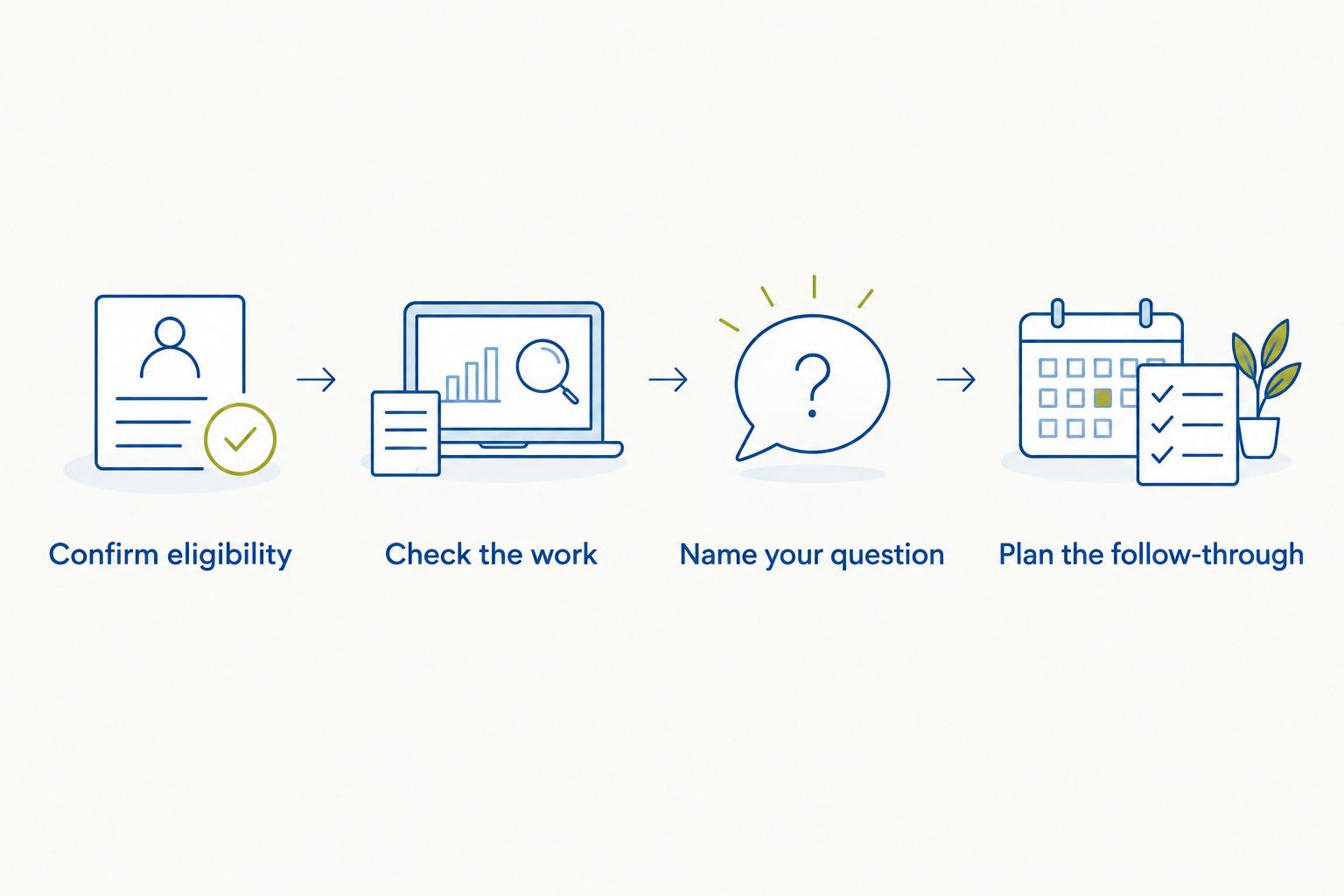
Before applying, write one sentence for each program answering: What will I be able to investigate or understand there that I cannot explain yet? Then take these steps:
- Confirm eligibility. Read the organizer’s official 2026 page, including applicant and participation rules.
- Check the work. Identify the course, track or research format you are actually seeking.
- Name your question. State the engineering problem or academic interest the experience would help you explore.
- Plan the follow-through. Decide how you would extend that interest after summer through reading, coursework or a project.
If you cannot complete the second step from the published information, do not assume the program will offer the experience you want. Contact the organizer for clarification before making it central to your plans.
The exercise also prevents a common application mistake: choosing a program first and inventing a reason for it afterward. Your 2026 shortlist should reflect interests you can already discuss, while leaving room for those interests to change as you learn.
How we ranked these programs
The ranking puts engineering fit first, followed by the nature of the work and the clarity of each program’s use case. Penn ESAP leads because this is a guide for aspiring engineers seeking engineering-focused study. RSI rises to the top for a different student: one whose principal aim is research. MITES Summer and Johns Hopkins Explore Engineering Innovation answer distinct needs for broad preparation and applied coursework.
This ranking does not score admission chances, certify 2026 availability or treat a university name as an admissions advantage. Check each program’s official information before applying. Your choice should stand up to a simpler test: can you explain why the work suits you without mentioning the host institution’s reputation?
Which engineering summer program should you choose?
Choose Penn ESAP by default if you want to explore an engineering field and a published 2026 track fits your interests. Choose RSI if you are ready to pursue research; MITES Summer if broad STEM preparation is the priority; or Johns Hopkins Explore Engineering Innovation if you want applied engineering coursework. If a program’s eligibility or format rules out participation, remove it from the shortlist rather than treating the ranking as a reason to force a fit.
Ivy Central’s college admissions counseling can help you connect a summer choice to your wider US or UK university plan. Caroline Linger and Jose Kumar work directly with each student on that strategy. The goal is an application grounded in what you actually studied and did, not an implied promise that a summer program leads to admission.
FAQ
What is the best summer program for aspiring engineers in 2026?
Penn Engineering Summer Academy at Penn is the best overall choice here for exploring an engineering field, provided a published 2026 track fits your interests and you meet its requirements. Choose a different program if research or broad STEM preparation is your main goal.
Is RSI better than Penn ESAP for an engineering applicant?
RSI is the better fit if you want STEM research; Penn ESAP is the better starting point if you want engineering-focused study. A research opportunity at RSI is not necessarily an engineering-specific project.
Is MITES Summer an engineering program?
MITES Summer offers broad STEM academic preparation rather than serving as a dedicated engineering track in this ranking. Check its official 2026 curriculum and eligibility before deciding whether it fits your goals.
Can international students apply to these summer programs in 2026?
Eligibility depends on each program’s published 2026 rules. Check the official applicant criteria for your country of residence and school status before preparing an application or planning travel.
Do engineering summer programs help with Ivy League admission?
An engineering summer program can give you work to discuss in an application, but participation does not guarantee admission. Explain the question you explored, your contribution and what you learned rather than relying on the program name.
Which summer program suits a UK engineering application?
Choose the program that helps you deepen and explain your academic interest in engineering. The most useful experience is one you can connect clearly to the engineering course you intend to study.
How should I compare engineering summer programs without published 2026 details?
Do not assume an earlier course or eligibility rule still applies in 2026. Keep the program on a provisional shortlist, then confirm its current requirements, format and subject offering on the organizer’s official page.
One last thing
After a program, write a 150-word explanation of one engineering question you understand better and one question you still have. If you cannot do that, the next step is more investigation, not a stronger claim about the program’s name. Ivy Central can help students turn that honest reflection into a focused admissions strategy; explore Ivy Central’s college admissions counseling when you are ready to plan the next step.